

Duration: 12–24 months, depending on the type of injectable fillers used
Filler Options: Juvéderm®, Restylane®, Radiesse® (a CaHA filler), Sculptra®
Treatment Time: 30–45 minutes
Downtime: Minimal; mild swelling or bruising at injection sites may occur
Results: Immediate improvement with continued collagen production over time
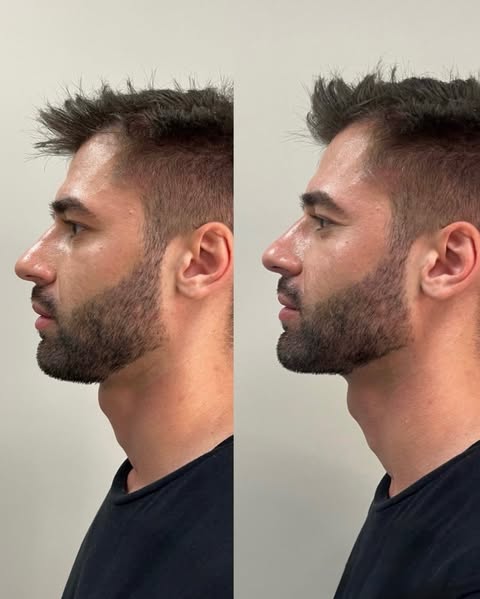
Understanding Jawline Fillers
Jawline fillers are a subset of dermal fillers specifically designed to enhance and refine the contours of the jawline. These cosmetic treatments involve the injection of hyaluronic acid or other biocompatible substances into targeted areas along the jaw to create a more prominent and defined facial silhouette. As individuals seek ways to achieve a youthful appearance, the popularity of jawline fillers has surged, becoming a favored option within aesthetic practices.
The main purpose of jawline fillers is to restore volume and shape to the jawline, which can diminish due to aging or genetic factors. As people age, the production of collagen and elastin in the skin decreases, leading to a less defined jawline and potential sagging. By introducing fillers, practitioners can create a sharper jawline while also addressing any asymmetries present. This treatment not only enhances aesthetic appeal but also boosts self-confidence for many patients.

From a scientific perspective, dermal fillers consist of different materials, with hyaluronic acid being one of the most common due to its natural occurrence in the body. When injected into the skin, these fillers attract water molecules, thus providing plumpness and hydration. The procedure itself is minimally invasive, often requiring only local anesthesia for comfort. The effects of jawline fillers typically last from six months to over a year, depending on the filler used and individual metabolic factors.
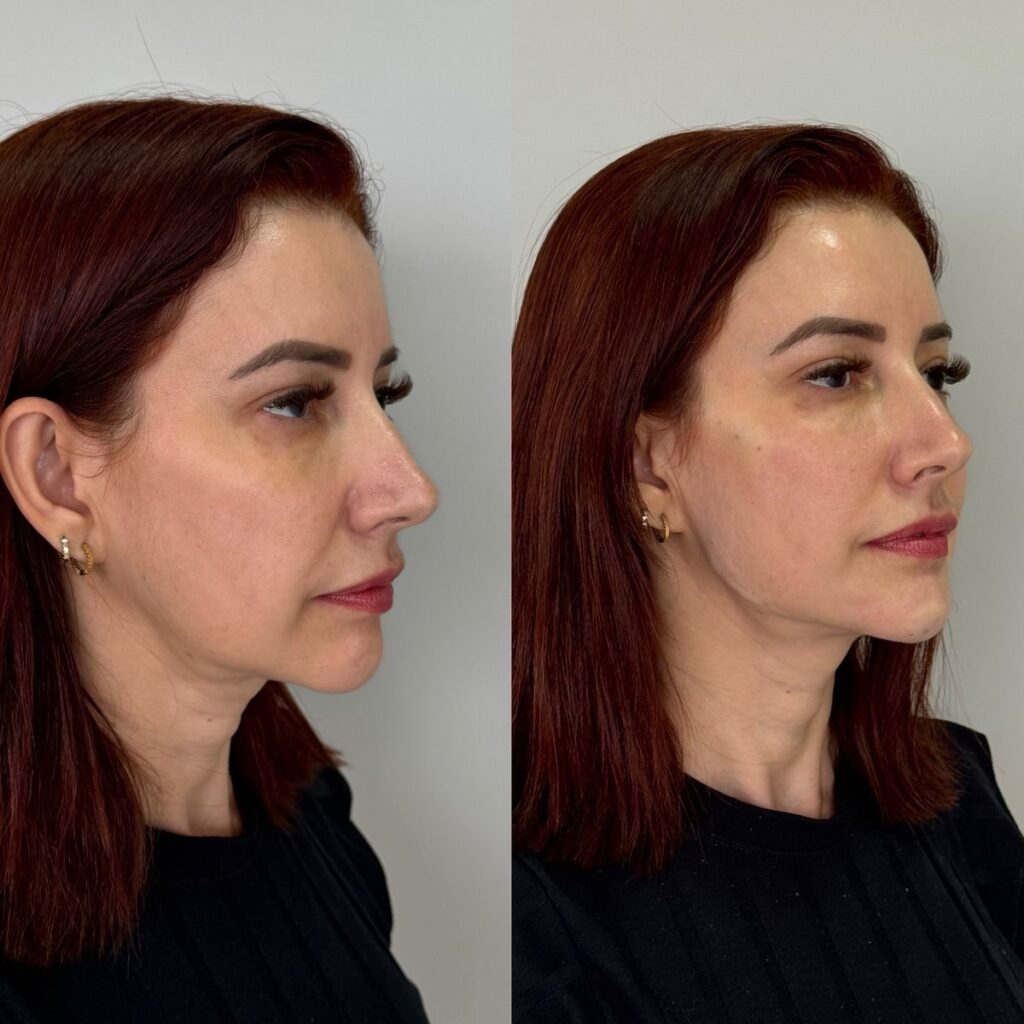
In summary, jawline fillers offer a non-surgical solution for individuals seeking to enhance their facial features. With their growing acceptance in modern cosmetic treatments, it is essential to understand both the benefits and the underlying science that makes these enhancements possible.
Exploring Filler Options: Juvéderm®, Restylane®, RADIESSE®, and Sculptra®
Jawline fillers have gained significant popularity as non-surgical solutions for facial contouring and enhancement. Among the various options available, Juvéderm®, Restylane®, RADIESSE®, and Sculptra® are prominent choices favored by both practitioners and patients. Each of these fillers has unique properties, offering different benefits and outcomes tailored to individual aesthetic needs.
Juvéderm® is a hyaluronic acid-based filler that provides exceptional hydration and volume. One of its primary advantages is its smooth consistency, which allows for easy injection and a natural appearance. This filler is ideal for patients seeking immediate results, as it can enhance jawline definition along with providing a subtle lift. Moreover, the effects typically last six to twelve months, depending on the specific product used.

Restylane® shares similarities with Juvéderm® as it also utilizes hyaluronic acid. However, Restylane® has a different formulation that can be particularly effective in creating a more voluminous look in defined areas such as the jawline. It may offer patients a longer duration of effect, making it an appealing option for those desiring prolonged results.
On the other hand, RADIESSE® is distinct from the previous fillers as it contains calcium hydroxylapatite microspheres. This composition not only provides immediate volume but also stimulates collagen production over time, contributing to longer-lasting results. Patients opting for RADIESSE® can expect enhanced structure and contour in their jawline due to its thicker consistency, making it particularly suitable for those requiring more substantial augmentation.
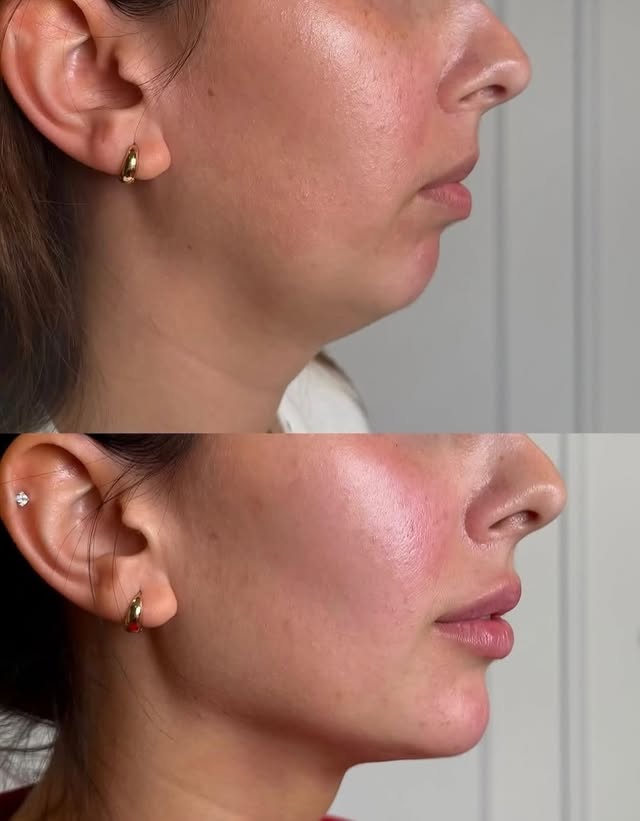
Lastly, Sculptra® represents a unique approach as it uses poly-L-lactic acid, stimulating the body’s natural collagen production. While results are gradual and may take a few months to manifest fully, patients appreciate the lift and added definition Sculptra® can offer to the jawline. Its benefits can last up to two years, making it a long-term investment in facial aesthetics.
Treatment Process and Downtime
The treatment process for jawline fillers typically involves several essential steps designed to ensure patient comfort and optimal results. Initially, during a consultation, the practitioner will assess the patient’s facial structure and discuss individual goals to determine the most suitable type of filler and injection technique. The procedure itself usually lasts between 30 to 45 minutes, making it a relatively quick option for those looking to enhance their jawline.
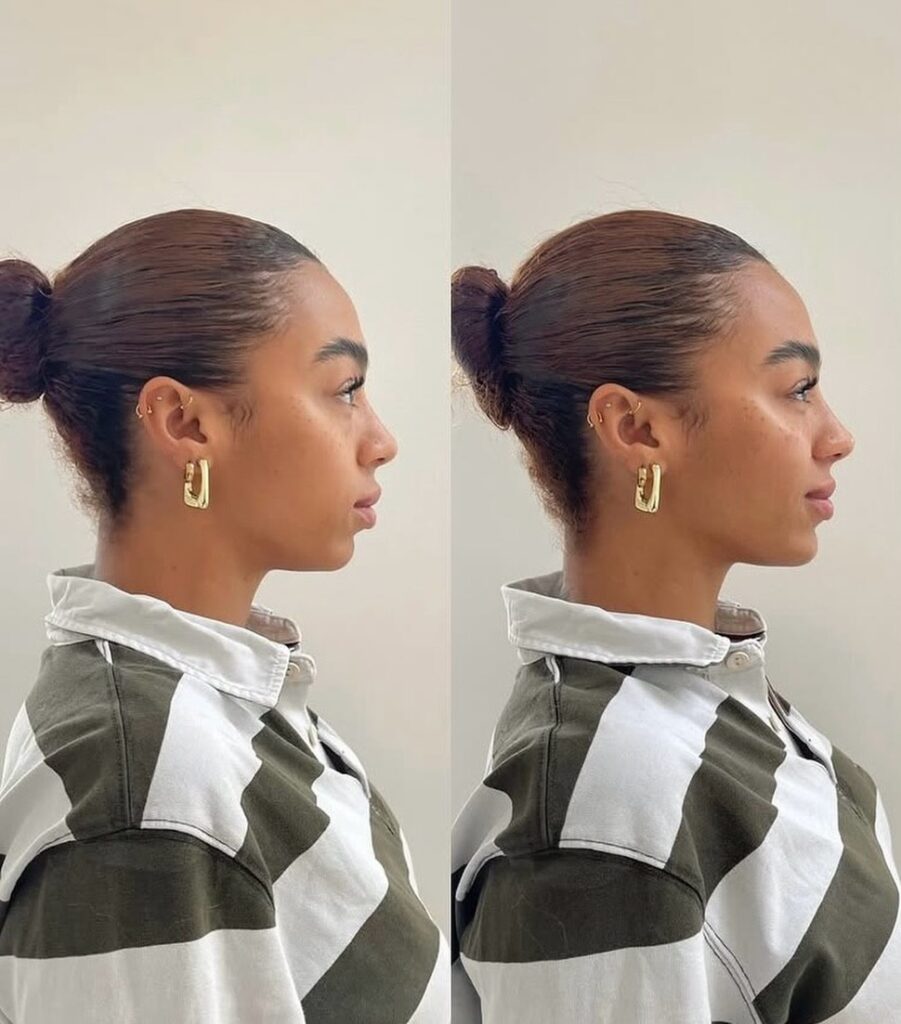
Upon arrival for the appointment, the patient may be asked to remove makeup from the treatment area. A topical anesthetic may be applied to minimize discomfort during the injections. Once the area is prepared, the practitioner will strategically inject the filler into the designated points along the jawline. This technique allows for precision and can significantly improve facial contours, enhancing overall facial harmony.

Post-treatment care is crucial to achieving the best outcomes. Patients are typically advised to avoid strenuous activities for at least 24 hours to minimize the risk of complications. Mild swelling and bruising are common side effects at the injection sites; however, these typically resolve within a few days. Ice packs can be applied intermittently to alleviate discomfort and reduce swelling. It is also recommended that patients avoid exposure to intense heat, such as saunas or sunbathing, for the first few days following treatment.
Overall, while the downtime associated with jawline fillers is minimal, patients should consult their practitioners for tailored advice and any necessary follow-up appointments. This ensures not only safety but also the achievement of desired aesthetic results in enhancing their jawline.
Results and Longevity of Jawline Fillers
Jawline fillers have gained immense popularity for their ability to enhance facial structure and balance. After the treatment, most patients notice immediate improvements in the contours of their jawline, achieving a more defined and aesthetically pleasing appearance. The effects are typically seen immediately, as the filler adds volume and smoothness to the area. However, the full results may take a few days to appear, as any swelling or minor bruising subsides, allowing the patient to see the refined shape of their jawline.
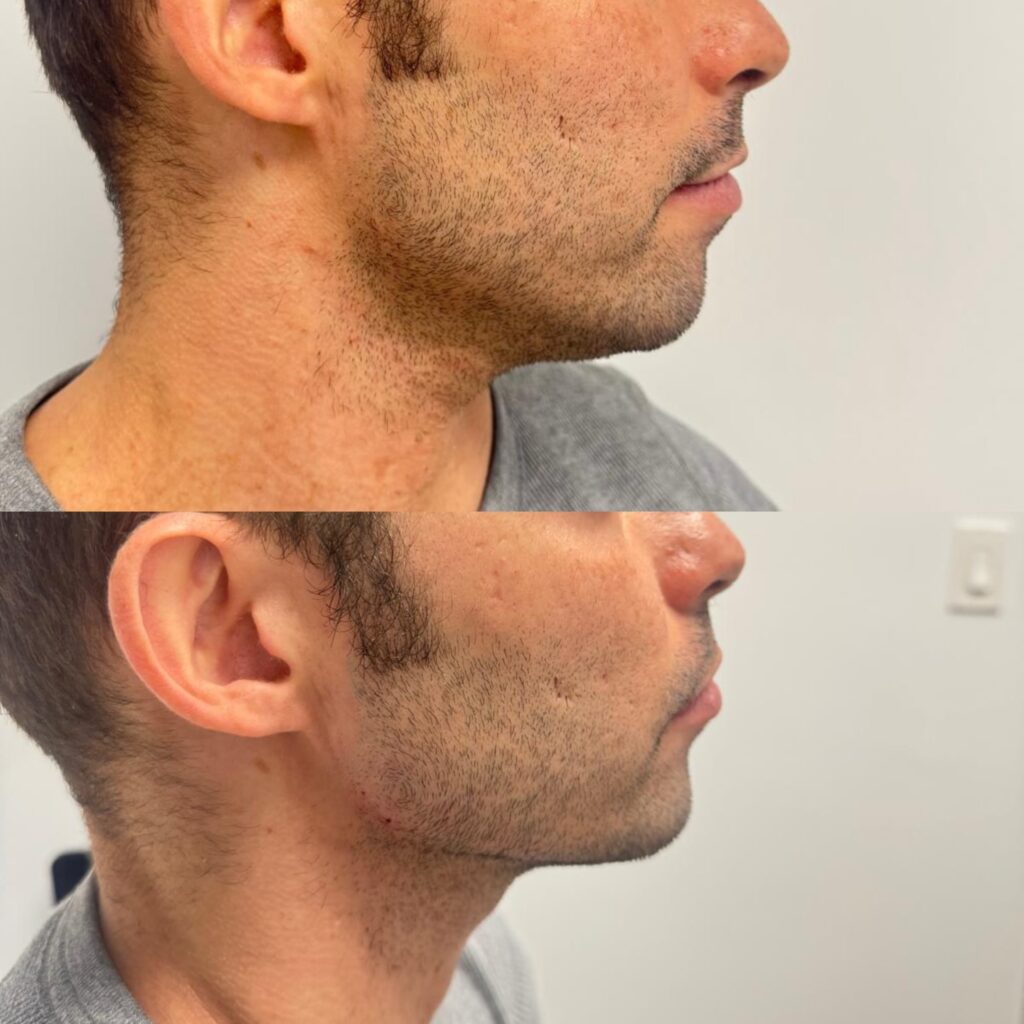
One of the key benefits of jawline fillers is their contribution to collagen production over time. Many of the injectable materials used for enhancing the jawline stimulate the skin’s natural collagen production, which can lead to long-term improvements in skin elasticity and firmness beyond the initial results. This means that while the visible effects of fillers may diminish, the underlying skin continues to benefit from heightened collagen levels.
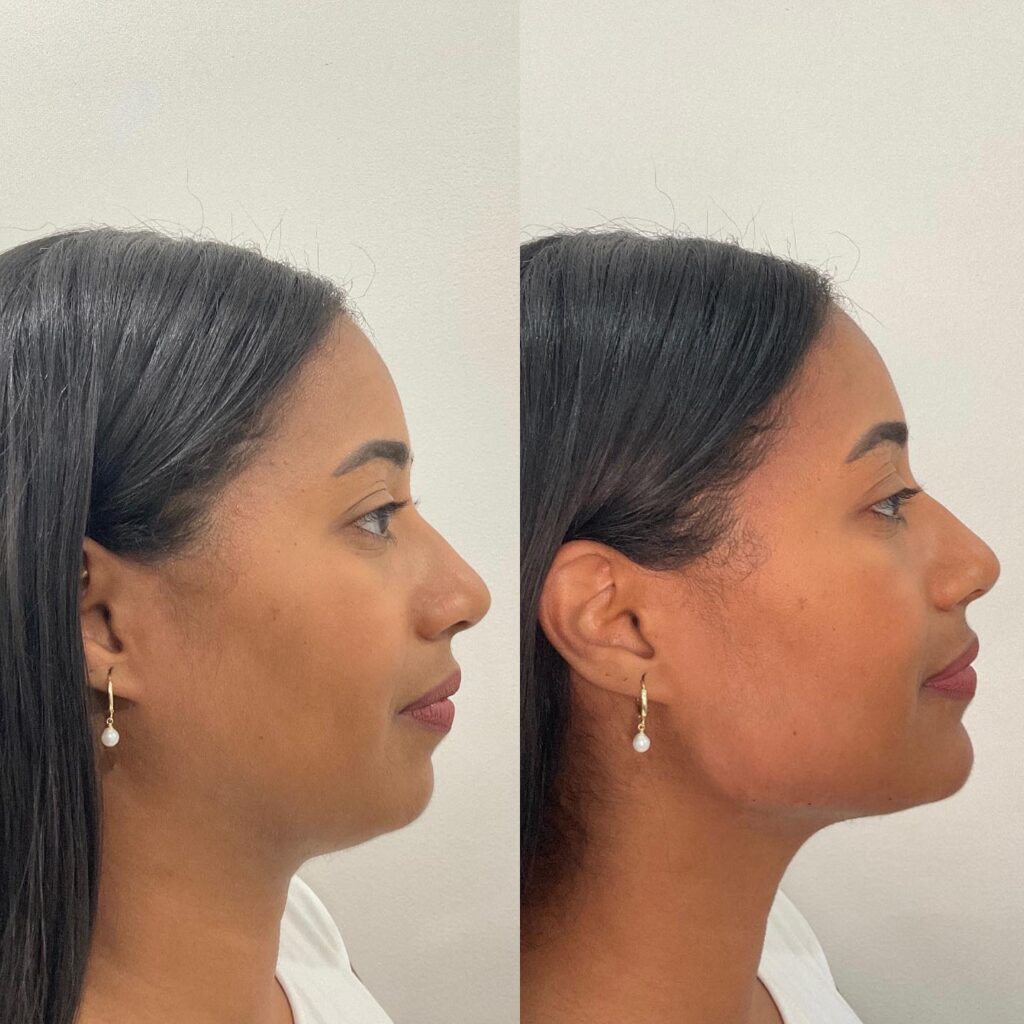
The longevity of jawline fillers varies based on several factors, including the type of injectable used, the individual’s metabolism, skin type, and the specific area treated. Typically, results can last anywhere from 12 to 24 months. Hyaluronic acid-based fillers, for example, have a shorter duration compared to more robust formulations such as calcium hydroxylapatite or poly-L-lactic acid, which may last longer due to their thicker consistency and distinctive composition. Factors such as lifestyle, dietary habits, and sun exposure can also impact how long the effects persist.
In essence, patients seeking cosmetic enhancements through jawline fillers can expect noticeable improvements shortly after treatment, with the results potentially lasting one to two years, contingent on the factors mentioned. Proper aftercare and regular follow-ups with a qualified practitioner can help maintain the desired aesthetic outcome for a longer duration.