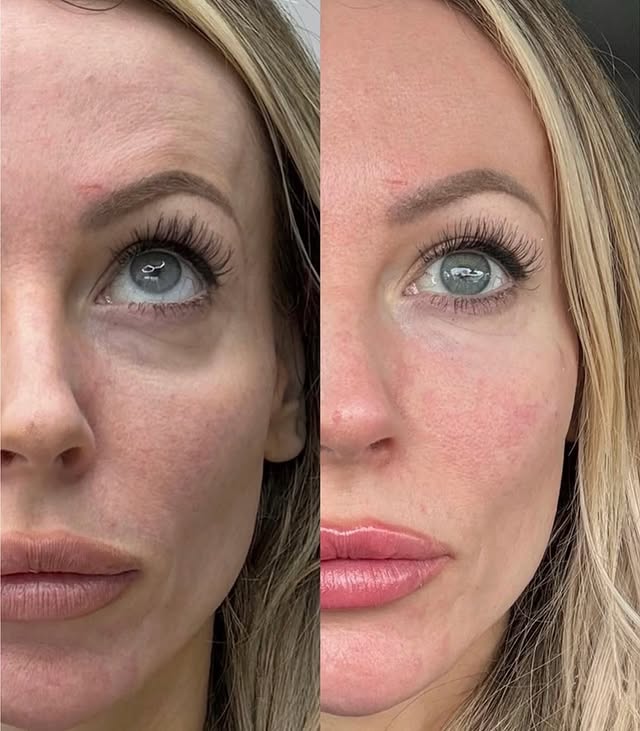
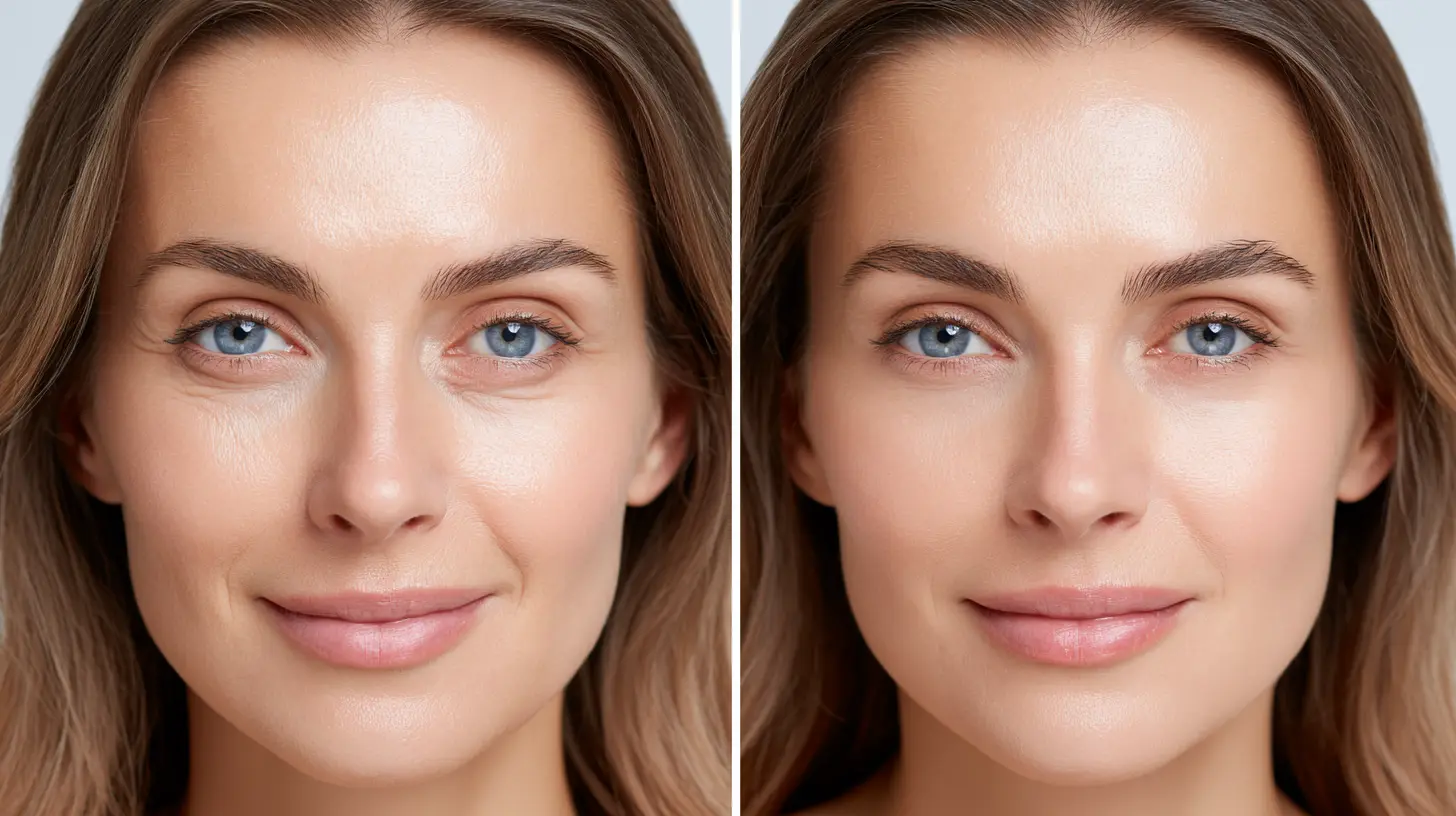
The undereye area is a complex region characterized by a delicate interplay of skin, muscle, and fat, which significantly influences its appearance. The skin beneath the eyes is notably thinner than the rest of the facial skin, making it particularly susceptible to various factors including aging, environmental influences, and lifestyle choices. This thinness contributes to the visibility of underlying structures such as blood vessels, which can lead to dark circles and an overall tired look.
Directly beneath the skin lies the orbicularis oculi muscle, which is responsible for closing the eyelids. This muscle undergoes frequent contractions due to blinking and facial expressions, contributing to the dynamic appearance of the undereye area. Over time, repeated muscle contractions and the natural loss of collagen and elastin can result in volume loss, leading to the formation of hollows and creases.
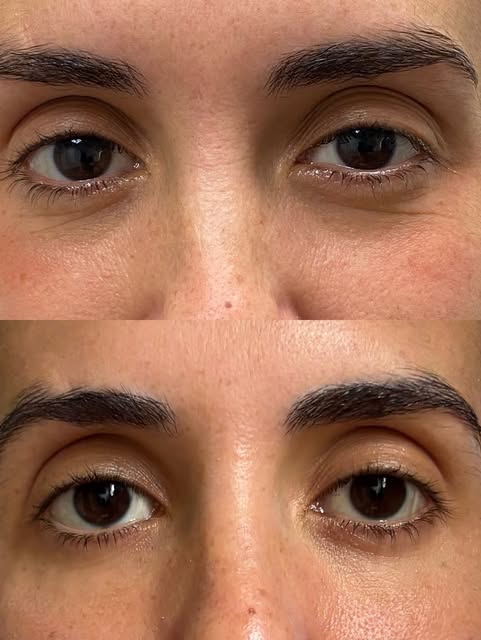
The area is also supported by a small amount of fat known as periorbital fat, which provides cushioning and volume under the eyes. Unfortunately, as one ages, this fat can diminish or migrate, further accentuating volume loss and creating a sunken appearance. This characteristic makes the undereye region a common focal point for cosmetic concerns, as individuals seek solutions to counteract signs of aging and restore a youthful visage.
Understanding the anatomy of the undereye region is crucial for anyone considering cosmetic procedures, including the use of dermal fillers. By addressing issues such as volume loss and skin laxity through targeted treatments, patients can achieve a rejuvenated appearance that enhances their natural beauty. Consequently, this area merits attention in both cosmetic and medical discussions surrounding aesthetic interventions.
Causes of Undereye Problems
The undereye area is often a focal point of concern in aesthetic treatments, primarily due to visible issues such as hollowing, dark circles, and prominent tear troughs. Understanding the multifaceted causes behind these undereye problems is essential for addressing them effectively.
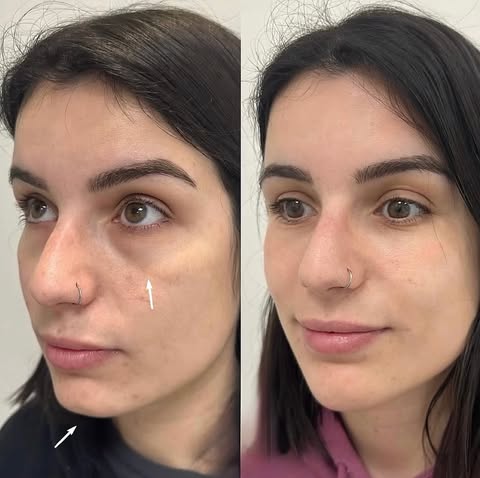
One of the primary factors contributing to undereye issues is age-related changes. As individuals age, the skin loses elasticity and collagen, resulting in a decrease in volume around the eyes. This natural aging process often leads to the appearance of hollowness and deepening of tear troughs. Furthermore, the thinning of the skin in this area can accentuate the visibility of veins, contributing to the development of dark circles.
Genetic predisposition also plays a significant role in undereye concerns. Some individuals inherit characteristics such as a tendency for prominent tear troughs or a propensity to develop dark under-eye shadows. These inherited traits can affect the overall structure of the face, making certain individuals more susceptible to these aesthetic challenges than others.
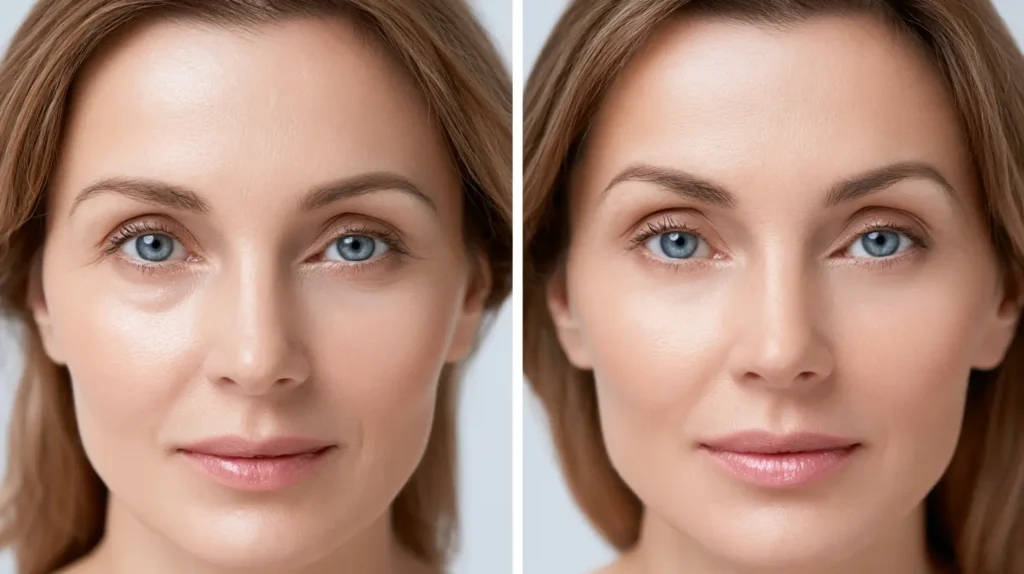
Lifestyle factors, including inadequate sleep and dehydration, further exacerbate undereye problems. A lack of sufficient rest can lead to an increase in the visibility of dark circles, as the skin becomes more pallid, revealing underlying blood vessels. Similarly, insufficient hydration can cause the skin to become dull and tired-looking, accentuating hollowness under the eyes.
Lastly, environmental influences such as excessive sun exposure and pollution can contribute to skin damage, accelerating the aging process and leading to the aforementioned undereye issues. Protective measures, including the use of sunscreen and maintaining proper skin care routines, can help mitigate some of these effects.
Dermal Fillers for the Undereye Area
Dermal fillers, particularly those composed of hyaluronic acid, have become a popular non-surgical solution for enhancing the appearance of the undereye area. These fillers work by restoring volume, reducing the appearance of dark circles, and minimizing the presence of fine lines and wrinkles that often manifest due to aging or lifestyle factors.
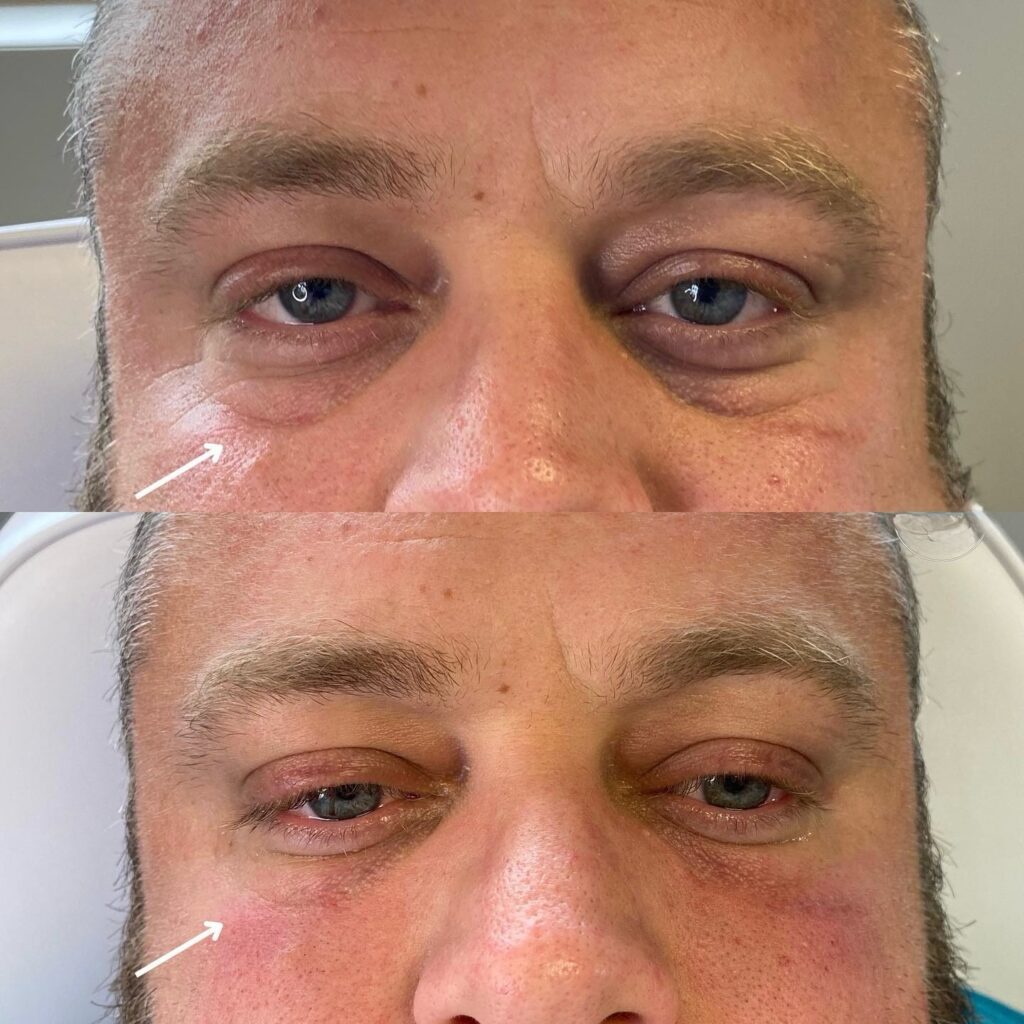
The procedure typically begins with a consultation where a certified practitioner evaluates the treatment area and discusses the patient’s desired outcomes. Once a treatment plan is established, the practitioner will clean the area and may apply a topical anesthetic to minimize discomfort. The hyaluronic acid filler, which is a naturally occurring substance in the body, is then carefully injected into specific areas underneath the eyes. This process usually takes around 15 to 30 minutes, making it an attractive option for those seeking quick results with minimal downtime.

One of the primary advantages of dermal fillers over surgical interventions like blepharoplasty and fat grafting is the non-invasive nature of the treatment. Patients can often resume their normal activities shortly after the procedure, with some experiencing only minor swelling or bruising that resolves quickly. Additionally, dermal fillers offer a temporary result, allowing patients the flexibility to adjust their appearance over time. While the effects typically last from six months to a year, individuals can choose to undergo subsequent treatments as needed without the commitment associated with more invasive surgical procedures.
In summary, dermal fillers serve as an effective, non-surgical solution for enhancing the undereye region. With the procedure’s relatively quick and uncomplicated nature, it has gained recognition as an appealing alternative, providing natural-looking results with reduced recovery time.
Aftercare and Results: What to Expect
After undergoing a dermal filler treatment for the undereye area, it is crucial to adhere to specific aftercare guidelines to ensure optimal outcomes. Immediately following the procedure, patients may notice some swelling, bruising, or redness at the injection sites. These effects are typically mild and should subside within a few days. To minimize these side effects, patients are advised to avoid strenuous exercise, excessive sun or heat exposure, and alcohol consumption for at least 24 hours post-treatment.
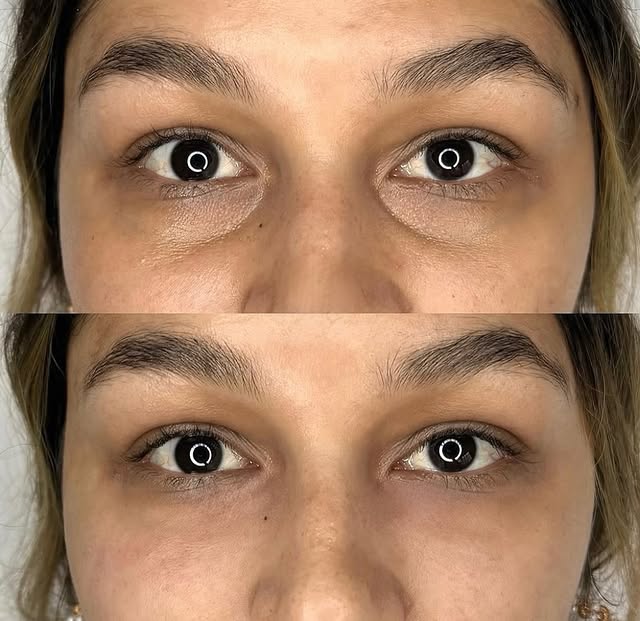
It is not uncommon for patients to experience temporary discomfort during the first few days after treatment. Applying a cold compress can help alleviate any swelling and discomfort. Additionally, it’s essential to refrain from touching or massaging the injected area for at least two weeks to avoid displacing the filler. Keeping the skin hydrated and moisturized can also aid in the recovery process.
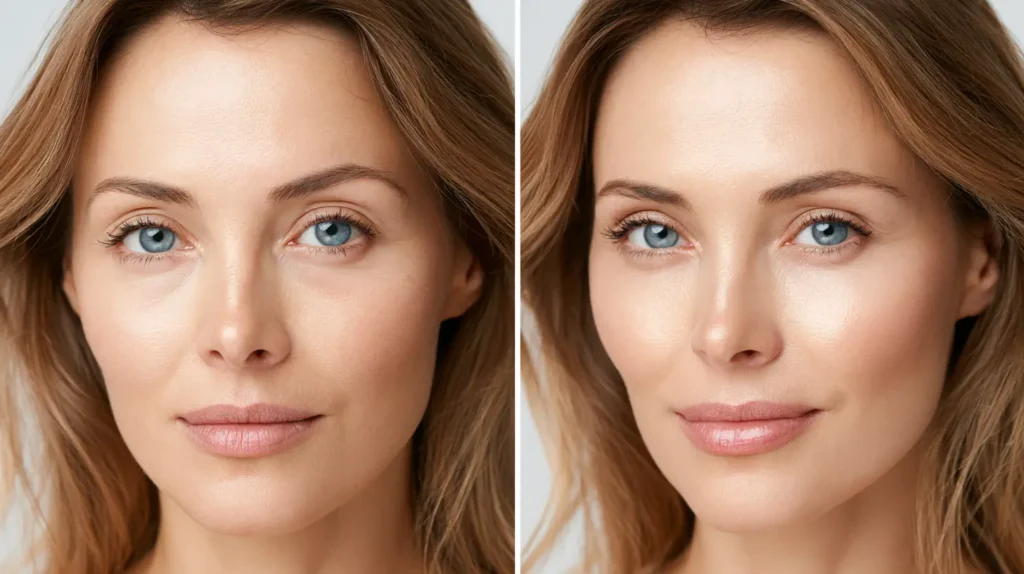
Results from dermal fillers for the undereye region are generally visible immediately, with optimal results becoming apparent as any swelling resolves over a week. The longevity of these results may vary based on the type of filler used and individual metabolism; however, most results last between six months to one year. Regular maintenance treatments can prolong the desired effects.
To maintain the results of your dermal filler treatment, adopting a healthy skincare routine is beneficial. This includes daily sun protection and nourishing products rich in antioxidants. Additionally, selecting a qualified and experienced professional for your procedure is crucial. An expert injector will not only use high-quality products but also tailor the treatment to suit individual needs, ensuring both aesthetic satisfaction and safety.